
FREE PRINTABLE · KIDS AND FAMILIES
Chore chart maker: free printable chore chart for kids and families
Make a printable weekly chore chart for kids, teens or the whole family. Pick chores by age, add names and print a Monday to Sunday chart in a minute.
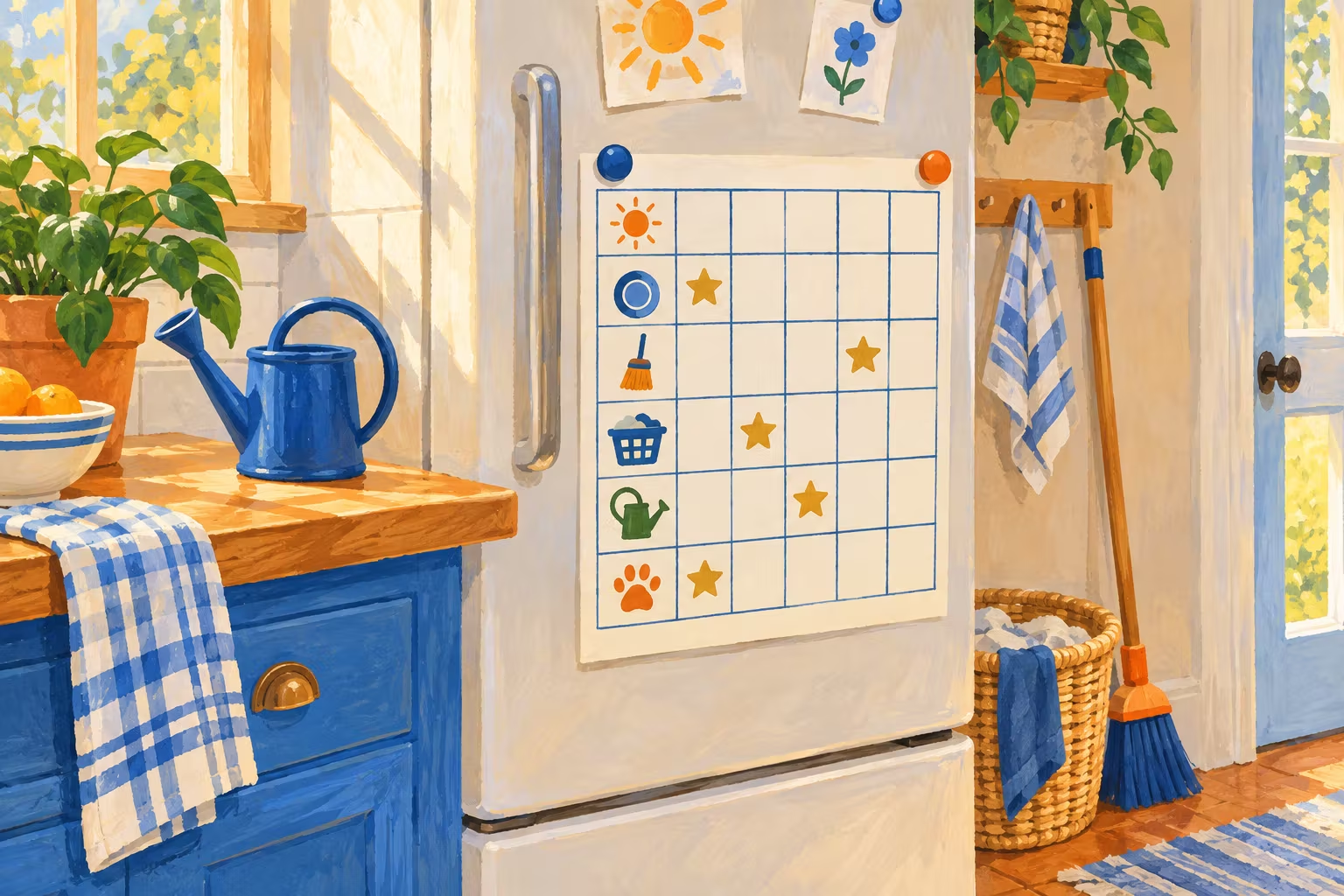
Our chore chart
| Chore | Mon | Tue | Wed | Thu | Fri | Sat | Sun |
|---|
The short answer
A good chore chart lists a few age-appropriate chores per person, shows the days of the week and has a box to tick for each one. Start with 2 to 4 chores for young children and more for teens, keep the same chores for a few weeks and review the chart together once a week.
Age-appropriate chores: a chart by age
Common examples by age. Children vary, so start with what your child can do with a little help, show it a few times, then let them own it.
| Age | Chore ideas |
|---|---|
| Ages 2 to 3 | Put toys in the basket, Put dirty clothes in the hamper, Help feed the pet, Wipe up small spills, Carry their plate to the counter, Put books back on the shelf |
| Ages 4 to 5 | Make the bed (pull up the covers), Set the table, Tidy toys before dinner, Feed the pet, Water plants, Match socks from the laundry, Put shoes away, Clear their plate |
| Ages 6 to 8 | Make the bed, Set and clear the table, Empty small trash cans, Fold and put away own clothes, Feed and water the pet, Pack own school bag, Sweep the kitchen floor, Help put groceries away, Tidy bedroom |
| Ages 9 to 12 | Load or empty the dishwasher, Take out trash and recycling, Vacuum one room, Do own laundry with help, Clean the bathroom sink, Help cook dinner once a week, Walk the dog, Make own lunch, Tidy bedroom |
| Ages 13 and up | Do own laundry, Cook one family dinner a week, Clean the bathroom, Vacuum and mop, Take out trash and recycling, Wash the dishes, Mow the lawn or yard work, Grocery list and help shop, Clean own room |
| Adults | Cook dinner, Wash dishes / dishwasher, Laundry, Clean bathroom, Vacuum and mop, Take out trash and recycling, Grocery shopping, Pay bills and admin, Change bed sheets, Wipe kitchen counters |
How to make a chore chart that sticks
- Start small. Two to four chores for young children; add one at a time.
- Tie chores to moments. "After breakfast, feed the dog" is easier to remember than "sometime today".
- Let them tick the box. Seeing progress is part of the reward. Recording progress helped goal attainment in a large review of studies.
- Review on Sunday. Count ticks together, praise effort and swap one chore if it has become a fight.
- Rotate in shared homes. For adults and teens, rotate the least-loved chores weekly so nobody is stuck with them.
Do chores help kids?
In a study of 207 children aged 5 to 13, parents who reported more self-care and family-care chores also reported better working memory and self-control in their children. It shows a link, not proof that chores cause it, but it fits the everyday experience that chores practise planning and following steps. For mornings and bedtimes, pair this chart with the kids morning routine chart and the bedtime routine chart, and see our guide to a morning routine for kids.
Frequently asked questions
What chores can a 5-year-old do?
Common examples are making the bed, putting toys away, feeding a pet with help, setting the table and putting clothes in the laundry basket. Show the chore a few times before expecting it alone.
How many chores should a child have?
Two to four small daily chores suit most young children; older kids and teens can handle more, including weekly jobs like vacuuming or laundry. Fewer chores done well beat a long list.
Should kids be paid for chores?
Families differ. Many keep everyday chores unpaid as part of family life and pay for extra jobs. Whatever you choose, make the rule clear before the chart goes up.
Do chore charts work for adults?
Yes. Shared households use them to split jobs fairly and stop the same person doing everything. Use the family mode and rotate chores weekly.
Sources and evidence
- Tepper, Howell and Bennett (2022): Executive functions and household chores — In a parent-report study of 207 children aged 5 to 13, doing self-care and family-care chores was linked with better working memory and inhibition; the study shows an association, not cause and effect.
- Harkin et al. (2016): Does monitoring goal progress promote goal attainment? — Monitoring progress improved goal attainment, more so when progress was physically recorded.