PHONE & SCREEN TIME · PILLAR GUIDE

What to Do When Bored: 100 Ideas by Place, Time and Energy

Bored and reaching for your phone? Pick one idea by place, time and energy, or let the picker choose. Plus why boredom sends you to your phone and how to swap the scroll for a habit.

The short answer

When you are bored, do one small thing that needs your full attention: move for five minutes, tidy one spot, cook something new, call a friend or go outside somewhere unfamiliar. Choose by the time and energy you have. If boredom usually ends in scrolling, plan one swap in advance and keep what you need within reach.

IDEA PICKER · 100 IDEAS

Bored right now? Here is one thing to do

Clear one drawer: empty it, keep what you use, donate or toss the rest.

30 minAt homeLow energyAlone

See all 100 ideas

All 100 ideas by place, as a printable checklist

100 things to do when you are bored

At home

  • Clear one drawer: empty it, keep what you use, donate or toss the rest. 30 min
  • Set a 5-minute timer, put on a loud song and tidy one room until it rings. 5 min
  • Cook something you have never made, using only what is already in the kitchen. An afternoon
  • Bake a simple loaf of bread or a batch of cookies from scratch. An afternoon
  • Rearrange one shelf or one corner of a room. 30 min
  • Start a jigsaw puzzle and leave it out on a table for the week. An afternoon
  • Learn three chords on a guitar, ukulele or keyboard from a free video. 30 min
  • Write a real letter or postcard to someone you have not talked to in a year. 30 min
  • Pick your 20 favorite photos from this year and put them in one album. 30 min
  • Follow a 10-minute beginner yoga or stretching video. 30 min
  • Make a playlist for one mood, one season or one person. 30 min
  • Plant herbs or seeds in a pot for the windowsill. 30 min
  • Build a blanket fort and watch a movie inside it. An afternoon
  • Water your plants and wipe the dust off their leaves. 5 min
  • Mend one thing: sew on a button, glue a mug, tighten a loose hinge. 30 min
  • Do three rounds of 10 squats, 10 push-ups and a 20-second plank. 5 min
  • Draw the view from your window in 10 minutes, badly on purpose. 30 min
  • Read the first chapter of a book you own but never started. 30 min
  • Go through your closet and fill one bag to donate. An afternoon
  • Learn to fold a paper crane or another origami shape. 30 min
  • Organize the spice shelf or clear out the fridge. 30 min
  • Dance to two songs in the kitchen. 5 min
  • Build something with LEGO or whatever craft supplies are in the house. An afternoon
  • Do 20 jumping jacks, then drink a full glass of water. 5 min
  • Take one lesson of a free online course on a subject you know nothing about. An afternoon
  • Host a potluck where everyone brings one dish. An afternoon
  • Play a board or card game you have not played in years. An afternoon
  • Have a themed movie night: one director, one decade or one country. An afternoon
  • Cook a meal together from a cuisine neither of you has tried. An afternoon
  • Play charades or Pictionary with whoever is home. 30 min
  • Write quiz questions for each other and hold a quiz night. An afternoon
  • Learn a card trick or a three-ball juggling pattern from a video. 30 min
  • Plan next week on one page: a focus, three priorities a day and one habit. 30 min
  • Sort a pile of paper: bills, receipts, school forms. 30 min

Outside

  • Walk down a street near you that you have never walked down. 30 min
  • Go to the library and borrow something outside your usual genre. An afternoon
  • Visit a museum, gallery or free exhibition near you. An afternoon
  • Take 10 photos on one theme: red things, doors, shadows or signs. 30 min
  • Pick up litter in a park or on your street for 20 minutes. 30 min
  • Have a picnic, even if it is a sandwich on a bench. An afternoon
  • Try a coffee shop or bakery you have never been to and read there. An afternoon
  • Ride a bike with no destination and turn wherever looks interesting. An afternoon
  • Look up a walking trail nearby and walk the first mile. An afternoon
  • Watch the sunset from the highest spot you can walk to. 30 min
  • Sit on a bench for five minutes and list every sound you can hear. 5 min
  • Visit a farmers market or a shop you have walked past for years. An afternoon
  • Play mini golf, bowling or frisbee. An afternoon
  • Look for one constellation with a free star map app. 30 min
  • Walk around the block and find five things you never noticed before. 30 min
  • Volunteer for a morning at a food bank, library or animal shelter. An afternoon
  • Wash the car or clean and oil your bike. 30 min
  • Go for a brisk 15-minute walk or run. 30 min
  • Get a pickup game going: basketball, tennis, soccer or catch. An afternoon
  • Go on a photo walk with a friend and swap your best three shots. An afternoon
  • Take a new route home and stop somewhere you usually walk or drive past. 30 min

At work or school

  • Clear your desk and wipe it down. 5 min
  • Tidy your downloads folder or computer desktop. 5 min
  • Walk the long way to refill your water, or take the stairs. 5 min
  • Write the next tiny step for the task you are avoiding, then do only that step. 5 min
  • Learn one keyboard shortcut you will use every day. 5 min
  • Ask a colleague or classmate what they are working on. 5 min
  • Take a 10-minute walk outside at lunch. 30 min
  • Reorganize your notes for one class or one project. 30 min
  • Make 10 flashcards for something you need to remember. 30 min
  • Write a two-line thank-you note to someone who helped you this month. 5 min
  • Read one long article in your field instead of scrolling. 30 min
  • Sketch a fix for one process at work or school that annoys you. 30 min
  • Set a 25-minute timer and finish one small task before it rings. 30 min

At night

  • Take a warm shower or bath and leave your phone in another room. 30 min
  • Lay out tomorrow's clothes and pack your bag. 5 min
  • Listen to one full album from start to finish with the lights low. 30 min
  • Write tomorrow's top 3 on a sticky note and put it by the door. 5 min
  • Read poems out loud, or read a chapter to someone else. 30 min
  • Do a crossword, sudoku or word search on paper. 30 min
  • Make a cup of herbal tea and sit by the window for five minutes. 5 min
  • Knit, crochet, draw or color while you listen to a podcast. An afternoon
  • Write down three things you are grateful for today. 5 min
  • Plan a trip you might take one day: the route, three stops and a rough budget. 30 min
  • Write the first page of a journal you keep for the rest of the month. 30 min
  • Give yourself a full at-home spa hour: face mask, nails, feet up. An afternoon

Anywhere

  • Call a friend and talk for real, not text. 30 min
  • Start a two-person book club: pick one book and a date to talk about it. 30 min
  • Teach someone a skill you have, or ask them to teach you one of theirs. 30 min
  • Plan a day trip together: pick a place within an hour and set a date. 30 min
  • Send a voice message to three friends asking what they are into lately. 5 min
  • Journal for 10 minutes: what is taking up space in your head today? 30 min
  • Write a short story that starts with the last message you received. 30 min
  • Write down 10 small things that went well this week. 5 min
  • Breathe in for 4 counts and out for 6, ten times. 5 min
  • Look up something you have always wondered about and note three facts. 30 min
  • Draw a map of your neighborhood from memory, then check it. 30 min
  • Delete every app you have not opened in a month. 5 min
  • Stretch your neck, shoulders and back for five minutes. 5 min
  • Learn to say hello and thank you in five languages. 5 min
  • Memorize a short poem and say it out loud. 30 min
  • Name every country in one continent, then check a map. 5 min
  • Write a to-don't list: three things you will stop doing this week. 5 min
  • Pick one small thing to do every day for 30 days and do day one now. 5 min
  • Record a one-minute video about your day, just for you. 5 min
  • Write a short review of the last book, show or movie you loved. 30 min

dailyhabitai.com/guides/what-to-do-when-bored/

30-Day Screen Time Reduction Plan

Turn this into a daily step with a hard-day version, weekly reviews and reminders. Free, on your phone.

Make it my plan

Key takeaways

  • Boredom means your attention is not engaged; the fix is an activity that asks a little more of you, not louder entertainment.
  • Choose by time and energy first: a 5-minute, low-energy idea you start beats an ambitious one you do not.
  • Changing place, working with your hands or doing something with another person ends boredom fastest.
  • If boredom usually ends in scrolling, write an if-then swap and put what you need within reach.
  • Some boredom is useful: short, quiet gaps can make room for new ideas.
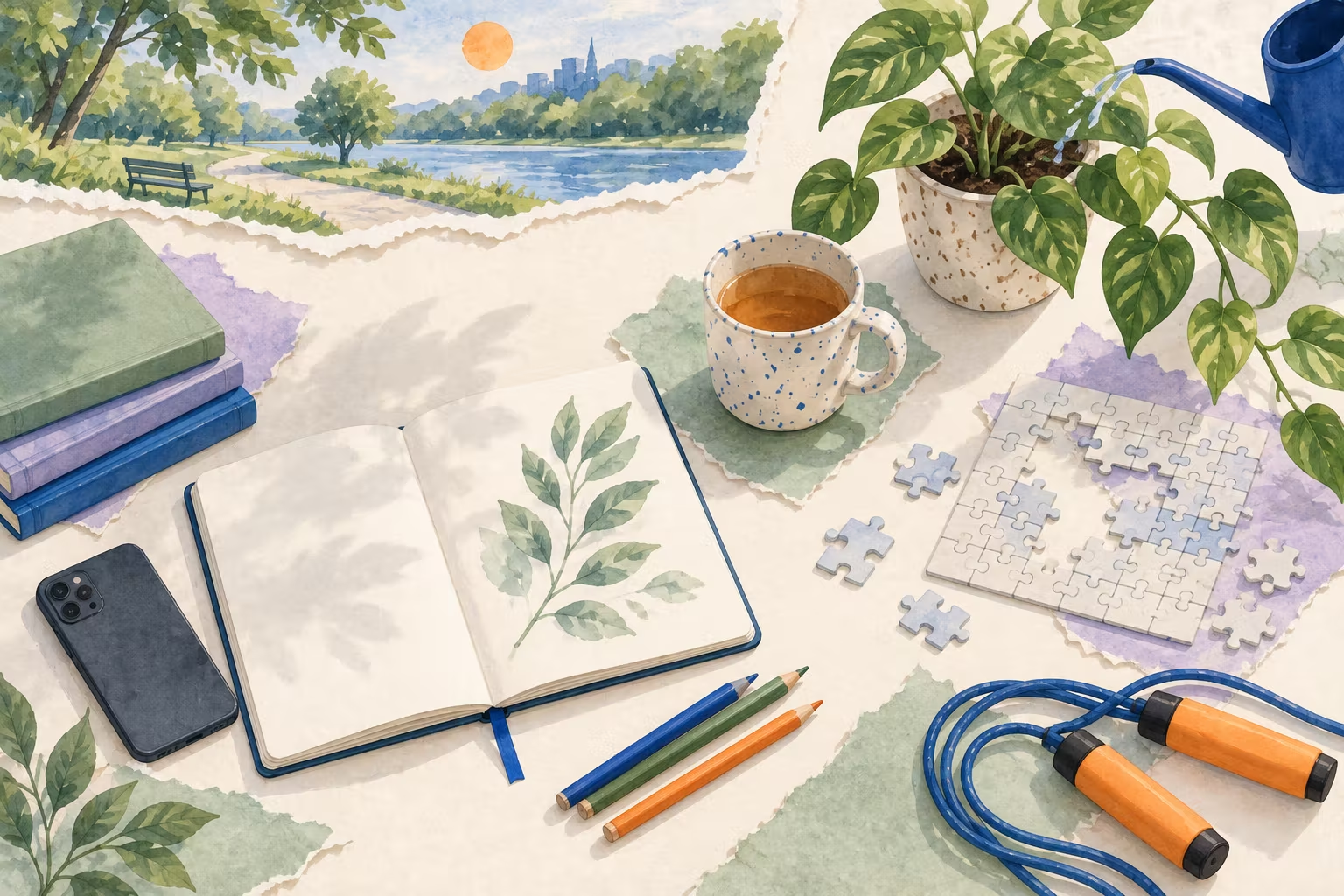
A phone set face down beside a sketchbook, colored pencils, books, a half-done puzzle, a skipping rope, tea and a plant being watered on an ivory floor

What should you do when you are bored?

Do one small thing that takes your full attention for a few minutes: move your body, make something, tidy one spot or talk to a person. Pick by how much time you have and how much energy you have left, not by what sounds impressive. The picker above chooses one for you; the lists below group the best ideas by place.

Boredom is not a sign that something is wrong with you. Psychologists describe it as wanting to be engaged but not finding anything that holds your attention. That is why the fix is rarely "more entertainment". It is usually one activity that asks a little more of you than scrolling does.

Things to do when bored at home

Home is where most boredom happens, and where the phone is closest. These ideas need nothing you do not already have.

  • Tidy one small area. One drawer, one shelf or the top of your desk. Set a 5-minute timer and stop when it rings.
  • Cook or bake something new with what is in the cupboard: pancakes, flatbread, a soup from leftover vegetables.
  • Move for five minutes. Three rounds of 10 squats, 10 push-ups against the counter and a short plank.
  • Start a jigsaw puzzle and leave it out so you can come back to it all week.
  • Fix one thing you have been ignoring: a loose button, a squeaky hinge, a wobbly chair.
  • Read the first chapter of a book you own but never started. If it does not grab you, try the next one on the shelf.
  • Learn three chords or ten words from a free video or app, then stop while it is still fun.
  • Make a playlist for a mood, a season or a person, and send it to them.
  • Plant something: herbs or a few seeds in a pot on the windowsill.
  • Plan next week on one page, with a focus, three priorities a day and one habit, using the free weekly planner.

Things to do when bored outside

A change of place changes what you pay attention to, which is often enough to end boredom by itself.

  • Walk down a street near you that you have never walked down.
  • Take 10 photos on one theme, such as doors, shadows or anything red.
  • Visit the library and borrow something outside your usual genre.
  • Try a coffee shop or bakery you have walked past for years and read there.
  • Go to a free museum, gallery or local event.
  • Ride a bike with no destination and turn wherever looks interesting.
  • Sit on a bench for five minutes and list every sound you hear.
  • Pick up litter in a park for 20 minutes; you will see the results right away.

Things to do when bored with friends

Doing something together beats watching something together, because it asks more of everyone.

  • Cook a meal from a cuisine none of you has tried.
  • Play a board or card game you have not played in years, or write quiz questions for each other.
  • Host a small potluck where everyone brings one dish.
  • Go on a photo walk and swap your best three shots at the end.
  • Teach each other one skill: a card trick, a recipe, a dance step.
  • Plan a day trip: choose a place within an hour and put a date on it.

Things to do when bored alone

Being alone with nothing to do is the kind of boredom people find hardest. Give yourself a task with a clear finish.

  • Journal for 10 minutes about what is taking up space in your head. Stuck for a start? Use the journal prompt finder.
  • Write a short story that begins with the last message you received.
  • Draw a map of your neighborhood from memory, then check it.
  • Learn a card trick or three-ball juggling from a video.
  • Look up something you have always wondered about and write down three facts.
  • Delete every app you have not opened in a month.

Things to do when bored at work or school

Boredom at a desk usually means the task is either too easy or too hard to hold your attention. Change the task, not the tab.

  • Write the next tiny step for the task you are avoiding, then do only that step.
  • Clear your desk, your downloads folder or your inbox for five minutes.
  • Walk the long way to refill your water, or take the stairs.
  • Learn one keyboard shortcut you will use every day.
  • Turn your notes for one class or project into 10 flashcards.
  • Set a 25-minute timer and finish one small task before it rings.

Things to do when bored at night

At night, pick calm activities that do not end in another hour on a screen.

  • Take a warm shower or bath and leave the phone in another room.
  • Listen to one full album with the lights low.
  • Do a crossword, sudoku or word search on paper.
  • Write tomorrow's top 3 on a sticky note and put it by the door.
  • Knit, draw or color while you listen to a podcast.
  • Write down three things you are grateful for today.

Pick by the time and energy you have

Most lists ignore the two questions that decide what you will actually do: how long you have and how tired you are.

Low energy Ready to move
5 minutes Water the plants, write three good things, delete unused apps Dance to two songs, 20 jumping jacks, a quick tidy with a timer
30 minutes Read a chapter, make a playlist, draw the view from your window Brisk walk or run, rearrange a shelf, charades with whoever is home
An afternoon Museum or library visit, a jigsaw puzzle, a free online course lesson Bake bread, a bike ride with no destination, volunteer for a morning

If you cannot decide, choose the one that takes the least effort to start. Starting is often the hardest part.

Why boredom sends you to your phone

Boredom feels unpleasant on purpose: it pushes you to find something more engaging. The phone is the fastest answer, so it becomes the default. In a survey of 298 US college students, Elhai et al. (2018) found that people who get bored more easily also reported more problematic smartphone use. The study measured both at one point in time, so it shows a link, not that boredom causes heavy phone use.

People also find doing nothing harder than they expect. Across 11 studies, Wilson et al. (2014) found that most participants did not enjoy spending 6 to 15 minutes alone with only their thoughts. In one study, about two-thirds of the men and a quarter of the women gave themselves at least one mild electric shock rather than sit with nothing to do. These were short lab sessions with small groups, but they help explain why a spare minute so often turns into a scroll.

Boredom is not only bad news. In two small experiments, Mann and Cadman (2014) had people copy or read numbers from a phone book before a creativity task; they came up with more uses for a pair of plastic cups than people who skipped the dull task, and the most bored group came up with the most. That is a narrow lab result, not proof that boredom makes you creative in general, but it is a reason not to fill every quiet minute.

The meaning-and-attention model of boredom by Westgate and Wilson (2018) gives a useful rule of thumb: you get bored when an activity does not hold your attention, because it is too easy or too hard, or when it does not feel meaningful to you. That is why the fix is to adjust the challenge or pick something that matters to you, not to find a louder distraction. An earlier review by Eastwood et al. (2012) described boredom as the unpleasant state of wanting, but being unable, to engage in satisfying activity.

How to turn boredom into a habit instead of a scroll

If boredom usually ends with your phone, plan the swap in advance. It takes about five minutes.

  1. Notice your boredom moment. When does it usually happen: after dinner, on a slow afternoon at work, on Sunday? Pick the most common one.
  2. Choose two swaps from the lists above, one for low energy and one for more energy. Keep them small enough to start in under a minute.
  3. Write an if-then line. "If I am bored after dinner, then I read one chapter on the couch." In a meta-analysis of 94 tests, Gollwitzer and Sheeran (2006) found that specific if-then plans like this improved follow-through compared with a goal alone.
  4. Put the swap within reach. Leave the book on the couch, the puzzle on the table, the shoes by the door. Put the phone in another room.
  5. Try it for a week, then adjust. If the swap never happens, make it smaller or move it closer.

If you want to go further, turn one swap into a daily practice with the 30-day challenge generator, or see how much time your phone takes now with the screen time calculator. Our guides on how to reduce screen time and how to stop checking your phone constantly cover the phone side in more depth.

Common mistakes

  • Reaching for bigger stimulation. A second screen or a louder video usually leaves you more restless. Pick something that asks for a little effort instead.
  • Choosing an idea that is too big. "Learn Spanish" does not help at 9 p.m. on a Tuesday. "Learn ten words" does.
  • Treating all boredom as a problem. A few minutes of daydreaming on a walk or in line can be useful. You do not have to fill every gap.
  • Ignoring constant boredom. If you feel bored and flat most days, lose interest in things you used to enjoy, or feel low for weeks, talk to a doctor or a licensed therapist. That can be a sign of something a professional can help with.

Where to go from here

Pick one idea from the picker and do it now, then write your if-then swap for the next time boredom hits. For a month of small daily steps, start the 30-day screen time reduction plan or build a plan around your own boredom moment. More guides live in the phone and screen time hub.

Frequently asked questions

What can I do when I am bored at home with nothing to do?

Pick something with a clear finish: tidy one drawer, cook with what is in the cupboard, start a puzzle, move for five minutes or read the first chapter of a book you own. The picker above filters ideas for home by time and energy.

What should I do when I am bored at night?

Choose calm activities that do not end in more screen time: a warm shower, one full album with the lights low, a paper crossword, a few lines in a journal or tomorrow's top 3 on a sticky note.

Why do I get bored so easily?

Boredom usually means an activity is too easy, too hard or not meaningful to you, so it does not hold your attention. Tiredness and constant quick stimulation from a phone can make ordinary tasks feel duller. If you feel bored and low most days for weeks, talk to a doctor.

Is being bored good for you?

Short stretches can be. In small experiments, people who first did a dull task came up with more creative ideas afterwards. Boredom is also a signal to change what you are doing. It becomes a problem when it is constant or always ends in something you regret.

How do I stop reaching for my phone when I am bored?

Decide on a swap before the moment comes, write it as an if-then line, keep the swap within reach and put the phone in another room. Start with the time of day when boredom usually hits.

What are fun things to do when bored with friends?

Do something together rather than watching something: cook a new cuisine, play an old board game, run a quiz night with your own questions, go on a photo walk or plan a day trip with a date on it.

Sources and evidence

  1. Eastwood et al. (2012): The unengaged mind, defining boredom in terms of attention — Boredom is the aversive state of wanting, but being unable, to engage in satisfying activity, and is tied to attention.
  2. Westgate and Wilson (2018): Boring thoughts and bored minds, the MAC model of boredom — Boredom arises when attention is not engaged, because a task is too easy or too hard for your mental resources, or when an activity lacks meaning.
  3. Wilson et al. (2014): Just think, the challenges of the disengaged mind — Across 11 studies, participants typically did not enjoy 6 to 15 minutes alone with their thoughts; in one study, 67% of men and 25% of women gave themselves at least one mild shock rather than sit with nothing to do.
  4. Mann and Cadman (2014): Does being bored make us more creative? — In two small experiments, people who first copied or read numbers from a phone book produced more uses for plastic cups than a control group; reading, the most boring task, led to the most ideas.
  5. Elhai et al. (2018): Proneness to boredom mediates relationships between problematic smartphone use with depression and anxiety severity — In a cross-sectional survey of 298 US college students, boredom proneness was linked with problematic smartphone use.
  6. Gollwitzer and Sheeran (2006): Implementation intentions and goal achievement — Specific if-then plans improved goal follow-through across 94 tests in a meta-analysis.

Want a plan shaped around your own reason and obstacles?

Build my phone & screen time plan

Stay in the loop

New plans, guides and app features, a few times a month at most.